Introduction
Running a small business involves managing multiple responsibilities, from serving customers and handling daily operations to managing finances and developing new products or services. In today’s competitive business environment, having a strong online presence is also essential for reaching potential customers and growing a brand.
However, many small businesses do not have the time, resources, or expertise to manage every aspect of online marketing themselves. This is where a digital marketing agency can make a difference.
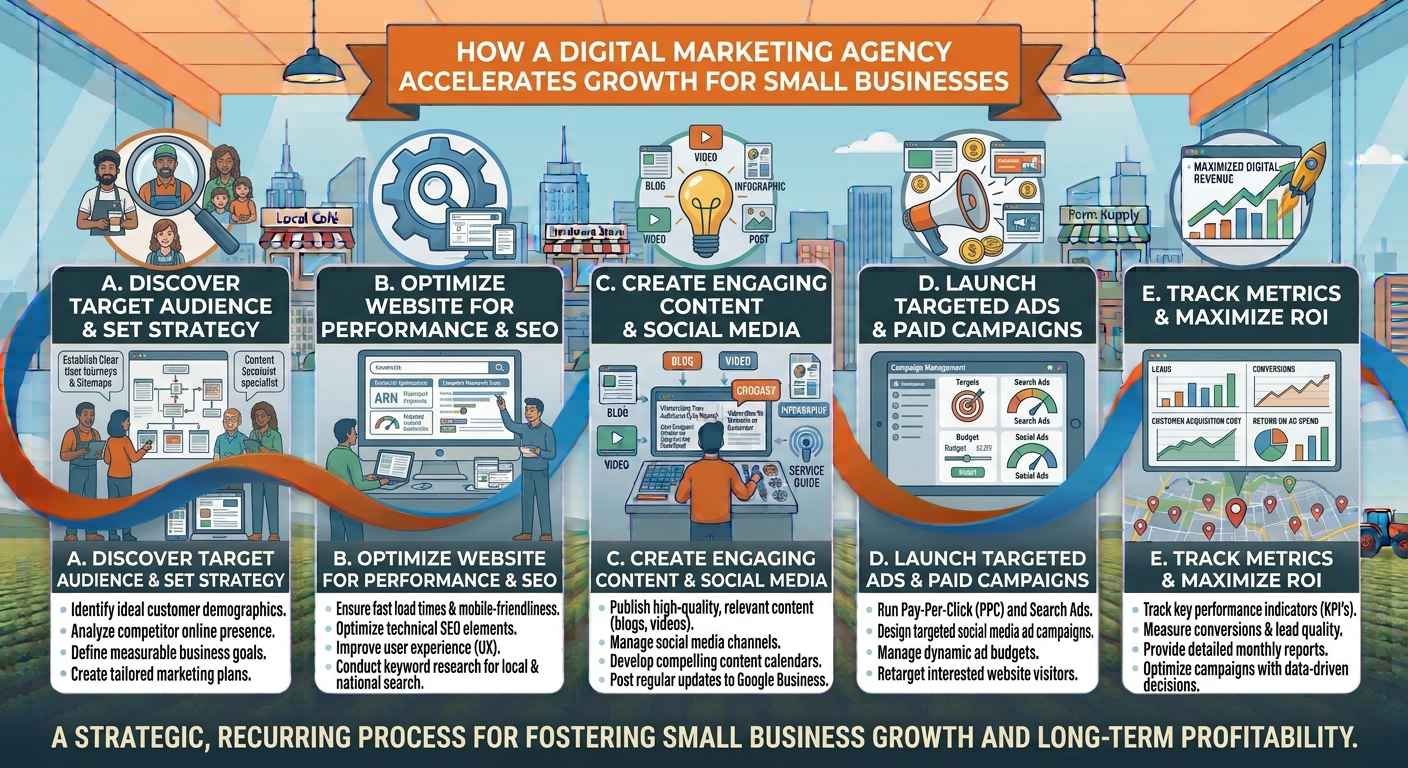
A digital marketing agency helps businesses promote their products and services through online channels such as search engines, social media platforms, websites, email, and paid advertising. Its primary goal is to help businesses increase visibility, attract potential customers, generate leads, and achieve sustainable growth.
But what exactly does a digital marketing agency do for small businesses? Let’s explore the services, benefits, and strategies that can help small companies compete in the digital marketplace.
1. Search Engine Optimization (SEO)
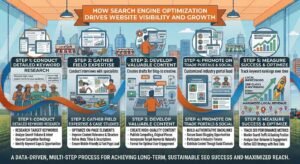
Search engine optimization is one of the most important services offered by digital marketing agencies. SEO helps businesses improve their visibility in search engine results when potential customers look for relevant products or services.
For example, if someone searches for “best plumbing company near me” or “affordable accounting services in London,” effective local SEO can help relevant businesses appear in search results.
A digital marketing agency typically handles several SEO activities, including:
- Keyword research to identify relevant search terms.
- Website optimization and technical SEO.
- Creating useful, search-friendly content.
- Improving website structure and internal linking.
- Local SEO and Google Business Profile optimization.
- Monitoring organic traffic and search performance.
For small businesses, SEO can provide a valuable opportunity to attract customers who are already searching for the services they offer.
2. Social Media Marketing
Social media platforms allow small businesses to connect directly with their target audiences, build relationships, and promote their products or services.
However, successful social media marketing requires more than occasionally publishing posts. Businesses need a consistent strategy that focuses on their audience, brand identity, and marketing objectives.
A digital marketing agency can help by:
- Creating a social media marketing strategy.
- Designing professional posts and promotional graphics.
- Writing engaging captions and content.
- Scheduling regular posts.
- Managing audience engagement.
- Monitoring social media performance.
- Running paid social media campaigns.
Platforms such as Facebook, Instagram, LinkedIn, and TikTok can help businesses reach different audiences depending on their industry and customer demographics.
For example, a local restaurant may use Instagram to showcase its food, while a B2B consulting company may use LinkedIn to build professional relationships and attract business clients.
3. Website Design and Development
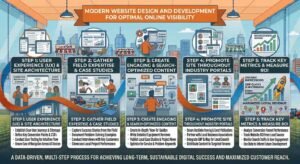
A business website often creates the first impression for potential customers. If a website looks outdated, loads slowly, or is difficult to navigate, visitors may leave without exploring the business further.
Digital marketing agencies can help small businesses develop professional websites that communicate their brand identity and encourage visitors to take action.
Website design and development services may include:
- Professional website design.
- Mobile-responsive layouts.
- User-friendly navigation.
- Fast-loading pages.
- Search engine-friendly website structure.
- Contact forms and enquiry systems.
- Landing pages for marketing campaigns.
- Website maintenance and updates.
A good business website should clearly explain what the company offers, who it serves, and how customers can get in touch.
4. Pay-Per-Click (PPC) Advertising
Small businesses often need to reach potential customers quickly. Pay-per-click advertising provides an opportunity to promote products and services through paid placements on platforms such as Google Ads and social media networks.
With PPC advertising, businesses generally pay when someone clicks on their advertisement.
A digital marketing agency can manage advertising campaigns by:
- Researching relevant advertising keywords.
- Creating compelling advertisements.
- Selecting appropriate target audiences.
- Setting campaign budgets.
- Designing dedicated landing pages.
- Monitoring clicks and conversions.
- Improving campaigns based on performance data.
For example, a local cleaning company could run Google Ads targeting people searching for cleaning services in its service area.
PPC campaigns can generate traffic relatively quickly, but their success depends on targeting, budget management, landing-page quality, and the ability to convert visitors into customers.
5. Content Marketing
Content marketing helps businesses attract and educate potential customers by publishing useful and relevant information.
Instead of focusing entirely on direct promotions, content marketing provides answers to customer questions and helps establish a business as a knowledgeable resource in its industry.
A digital marketing agency may create:
- Blog articles.
- Website service pages.
- Informational guides.
- Case studies.
- Infographics.
- Social media content.
- Video scripts.
- Email newsletters.
For example, a small financial consultancy could publish articles about budgeting, financial planning, and common money-management mistakes.
Useful content can support SEO, build customer trust, and help potential buyers make informed decisions.
6. Email Marketing
Email marketing allows small businesses to communicate directly with existing customers and interested prospects.
It can be used to share company updates, announce new products, promote special offers, and encourage repeat purchases.
A digital marketing agency can help businesses create and manage email campaigns through activities such as:
- Building permission-based email lists.
- Creating professional email templates.
- Writing engaging email content.
- Segmenting subscribers by interests.
- Setting up automated email sequences.
- Monitoring open rates and click-through rates.
- Testing different campaign approaches.
For example, an online store can send customers product updates, order-related messages, and promotional emails based on their preferences and consent.
Email marketing can be particularly useful for maintaining customer relationships and encouraging repeat business.
7. Local Digital Marketing
Local marketing is especially important for small businesses that serve customers in a particular city, town, or geographic area.
A digital marketing agency can help local businesses become easier to discover when people search for nearby services.
Common local marketing activities include:
- Optimizing Google Business Profile.
- Improving local search visibility.
- Managing business information across relevant directories.
- Encouraging genuine customer reviews.
- Creating location-specific website pages.
- Targeting local keywords.
- Running geographically targeted advertisements.
For example, a dental clinic in Manchester may want to appear when nearby residents search for dental services in that area.
A well-planned local marketing strategy can help businesses attract more relevant website visitors, calls, and enquiries.
8. Online Reputation Management
Customer opinions and online reviews can influence purchasing decisions. Before choosing a business, many consumers check reviews to understand the experiences of previous customers.
A digital marketing agency can help businesses monitor and manage their online reputation.
This may involve:
- Monitoring customer reviews.
- Responding professionally to feedback.
- Identifying recurring customer concerns.
- Encouraging honest reviews.
- Managing brand mentions.
- Developing strategies to improve customer trust.
Reputation management is not about hiding negative feedback or creating artificial positive reviews. It is about responding transparently and improving the customer experience.
9. Lead Generation and Conversion Optimization
Getting website visitors is important, but traffic alone does not guarantee business growth. Small businesses also need strategies that encourage visitors to become enquiries, subscribers, or paying customers.
Digital marketing agencies use lead generation and conversion optimization techniques to improve this process.
These activities may include:
- Creating dedicated landing pages.
- Improving contact forms.
- Adding clear calls to action.
- Developing downloadable resources.
- Setting up enquiry tracking.
- Improving website navigation.
- Testing different page layouts and messages.
For example, a web design company might offer a free initial consultation through a landing page. Interested visitors can submit their contact details, allowing the company to follow up with potential clients.
10. Analytics, Reporting, and Performance Tracking
A successful marketing strategy should be measured regularly. Without proper tracking, businesses may struggle to understand which activities are producing results.
Digital marketing agencies use analytics tools to monitor campaign performance and identify opportunities for improvement.
Common performance indicators include:
- Website visitors.
- Organic search traffic.
- Search engine rankings.
- Advertising clicks.
- Cost per lead.
- Enquiry form submissions.
- Conversion rates.
- Social media engagement.
- Customer acquisition cost.
Tools such as Google Analytics 4 and Google Search Console can provide valuable information about website performance and search visibility.
Regular reporting helps small businesses understand where their marketing budget is going and which strategies deserve more attention.
Why Should Small Businesses Hire a Digital Marketing Agency?
Hiring a digital marketing agency can offer several advantages, particularly for businesses that do not have an experienced in-house marketing team.
Access to Professional Expertise
Agencies bring experience in areas such as SEO, advertising, website development, content creation, and analytics. This allows small businesses to access different marketing skills without hiring multiple full-time employees.
More Time to Focus on Business Operations
Managing marketing campaigns can take considerable time. Outsourcing selected activities allows business owners to focus more on customer service, product development, and daily operations.
Better Marketing Strategy
A professional agency can help businesses develop a structured marketing plan based on their objectives, audience, industry, and available budget.
Improved Online Visibility
Through SEO, content marketing, social media, and paid advertising, agencies can help businesses reach more relevant audiences online.
Measurable Marketing Performance
Regular reporting and analytics help business owners understand campaign performance and make more informed marketing decisions.
How Much Does a Digital Marketing Agency Cost for a Small Business?
The cost of hiring a digital marketing agency depends on several factors, including the services required, campaign complexity, business location, industry competition, and agency experience.
Some agencies offer individual services, such as SEO or social media management, while others provide complete digital marketing packages.
Common pricing models include:
- Monthly retainers: A fixed monthly fee for ongoing marketing services.
- Project-based pricing: A one-time fee for a specific project, such as website development.
- Hourly consulting: Payment for professional advice or marketing support.
- Campaign-based pricing: A fee for managing a specific advertising or promotional campaign.
Small businesses should compare service deliverables, reporting practices, experience, and expected outcomes rather than choosing an agency based only on the lowest price.
How to Choose the Right Digital Marketing Agency
Choosing the right agency is an important decision because your marketing partner can influence your online growth and brand reputation.
Before hiring an agency, consider the following factors:
- Review its experience: Look for experience with businesses or industries similar to yours.
- Check previous work: Review case studies, portfolios, and examples of completed projects.
- Understand its services: Make sure the agency offers the specific services your business needs.
- Ask about reporting: Choose an agency that provides clear performance updates.
- Discuss your budget: Confirm pricing, deliverables, and any additional advertising costs.
- Avoid unrealistic promises: Be cautious of agencies guaranteeing instant rankings or a fixed number of sales.
A reliable agency should explain its strategy clearly, set realistic expectations, and focus on measurable business objectives.
Conclusion
A digital marketing agency plays an important role in helping small businesses establish a strong online presence and connect with potential customers. From search engine optimization and social media marketing to website development, paid advertising, and lead generation, these services can support businesses at different stages of growth.
The right marketing strategy depends on a company’s industry, target audience, objectives, and budget. Small businesses do not necessarily need every digital marketing service at once. Starting with the most important priorities and improving the strategy over time can be a more practical approach.
By working with the right digital marketing agency, small businesses can strengthen their online visibility, build customer relationships, generate qualified leads, and create opportunities for long-term growth.
Frequently Asked Questions (FAQs)
1. What does a digital marketing agency do for small businesses?
A digital marketing agency helps small businesses promote their products and services online. Its services may include SEO, social media marketing, website design, paid advertising, content marketing, email campaigns, and lead generation.
2. Is digital marketing worth it for small businesses?
Yes. Digital marketing can help small businesses reach relevant audiences, increase online visibility, attract potential customers, and compete with larger companies. The results depend on the strategy, budget, industry, and execution.
3. What digital marketing services does a small business need?
The right services depend on business goals. Many small businesses benefit from a professional website, local SEO, Google Business Profile optimization, content marketing, and social media management. Paid advertising may also be useful when faster traffic is needed.
4. How much does digital marketing cost for a small business?
Costs vary depending on the agency, services, location, and campaign requirements. Some businesses pay for individual services, while others choose monthly marketing packages. Advertising spend may be charged separately from agency management fees.
5. How can digital marketing help a small business get more customers?
Digital marketing helps businesses reach people who are searching for their products or services. SEO, paid advertising, social media, useful content, and optimized landing pages can attract visitors and encourage them to make enquiries or purchases.
6. How long does SEO take to show results?
SEO results vary depending on website condition, competition, content quality, and the amount of optimization required. Some improvements may appear within a few weeks, but meaningful organic growth often requires several months of consistent work.
7. Should a small business hire a digital marketing agency or do marketing itself?
Businesses with sufficient time and knowledge can manage some marketing activities internally. However, an agency may be a better option when specialist expertise, consistent campaign management, or support across multiple marketing channels is needed.
8. What is the difference between SEO and digital marketing?
SEO is one part of digital marketing. It focuses on improving visibility in unpaid search engine results. Digital marketing is broader and includes SEO, social media, paid advertising, email marketing, content marketing, and other online promotional activities.
9. Can a digital marketing agency help local businesses?
Yes. Agencies can help local businesses improve Google Business Profile visibility, target location-based keywords, manage customer reviews, create local landing pages, and run geographically targeted advertising campaigns.
10. How do I know if a digital marketing agency is successful?
Evaluate its performance using relevant business metrics such as qualified leads, website enquiries, conversions, cost per lead, organic traffic, and return on advertising spend. Rankings and social media engagement can provide useful context, but business outcomes should remain a priority.